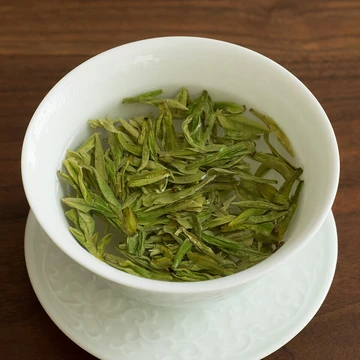
Herbal tea
Beverages from herbs, spices, or plants, excluding true tea.

Herbal teas, also known as herbal infusions or tisanes, are beverages made by steeping or decocting herbs, spices, or other plant material in water, excluding the leaves of the tea plant (Camellia sinensis). They are significant as a diverse category of drinks used both for refreshment and in herbal and folk medicine, with many varieties containing caffeine, other psychoactive compounds, or no psychoactive effects at all.
- field
- Beverages, Herbal Medicine
- known_for
- Non-tea plant infusions, diverse psychoactive and non-psychoactive varieties
- caffeine_content
- Most tisanes naturally contain no caffeine, though some plants (e.g., yerba mate, guarana) are caffeinated
- etymology
- From Latin ptisana, Greek πτισάνη (peeled barley); term 'tisane' borrowed from French in modern sense before 20th century
Lore & Background
Herbal teas are made from any part of a plant—fresh or dried flowers, fruit, leaves, stems, seeds, or roots—which may be used raw or processed by drying, roasting, crushing, or steaming. They are prepared by pouring hot or boiling water over the plant material and steeping for a time that varies by plant part; cold-water brewing takes several hours. Some infusions, like mate, are drunk without straining using a special straw called a bombilla. Blends may include multiple herbs and additives such as sweeteners, spices, milk, or lemon juice.
Reader's Guide
Herbal teas occupy a unique space between beverage and medicine, with a history rooted in folk medicine and modern global consumption. The article notes that many herbs used in tisanes are also used in herbal medicine, and some infusions contain psychoactive compounds like caffeine, theobromine, cocaine, or ephedrine, while others act as sedatives. The term 'herbal tea' is more common than 'tisane' in English, though the latter was borrowed from French in the 20th century. The etymology traces back to Ancient Greek for 'peeled barley,' reflecting an early medicinal drink. The variety of herbal teas is vast, ranging from caffeinated infusions like mate and guarana to psychoactive ones like kava and cannabis tea, to non-psychoactive options like chamomile and ginger. Their significance lies in their cultural ubiquity, medicinal applications, and the ongoing distinction from true teas derived from Camellia sinensis.
Did You Know?
- Most herbal teas do not naturally contain caffeine, though some plants like guarana have more than three times the caffeine of coffee.
- The word 'tisane' originally referred to a drink made from peeled barley in Ancient Greek.
- Some herbal teas, such as kava root tea and St. John's wort tea, have sedative or antidepressant properties.
- Herbal teas can be made from any part of a plant, including roots, seeds, flowers, and leaves, and may be brewed hot or cold.
Frequently Asked Questions
What exactly is Herbal tea?
Herbal tea is a beverage created by steeping or decocting herbs, spices, or other plant materials in hot water. Crucially, it does not involve the leaves of Camellia sinensis, which is what defines true tea.
Does Herbal tea contain caffeine?
Most herbal infusions are naturally caffeine-free, making them a popular evening or sensitive-choice drink. However, a few plant-based beverages often grouped under this umbrella—such as yerba mate or guarana—do carry natural caffeine.
How is Herbal tea different from regular tea?
The key distinction is the source plant: regular tea always comes from the leaves of Camellia sinensis, while herbal tea draws on a wide range of other herbs, spices, and botanicals. This means herbal teas can have wildly different flavors, effects, and caffeine profiles compared to true tea.
Where does the word 'tisane' come from?
The term traces back to the Greek word ptisane, referring to peeled barley, and later to the Latin ptisana. The modern English usage of 'tisane' was borrowed from French and only settled into its current meaning before the 20th century.
What is Herbal tea actually used for?
Beyond simple refreshment, herbal infusions have a long history in folk and herbal medicine, with specific plants valued for their perceived therapeutic properties. The category is also notable for its diversity, ranging from completely non-psychoactive blends to ones containing natural stimulants or other active compounds.
More in Tea 1-15
Spotted an error? Know more?
This is a living reference — every entry is fact-audited, and reader corrections feed straight into our audit queue. Suggest an edit · See this site's audit record