Rooibos
Caffeine-free herbal infusion from South Africa's Fynbos.

Rooibos (ROY-boss; Afrikaans: [ˈroːibɔs], lit. 'red bush'), or Aspalathus linearis, is a broom-like member of the plant family Fabaceae that grows in South Africa's Fynbos biome. The leaves are used to make a caffeine-free herbal infusion that has been consumed in Southern Africa for generations. Internationally since the early 2000s, rooibos became more commonly consumed, possibly due to its earthy flavour and aroma similar to those of yerba mate or tobacco.
- Scientific name
- Aspalathus linearis
- Family
- Fabaceae
- Native region
- South Africa's Fynbos biome (Cederberg, Western Cape)
- Key compounds
- Polyphenols, ascorbic acid, benzoic and cinnamic acids
- Caffeine content
- None
- Protected status
- Protected designation of origin in the EU
- Key historical figure
- Pieter le Fras Nortier (father of the rooibos tea industry)
Lore & Background
The earliest record of the use of Aspalathus as a source of tea was that of Carl Peter Thunberg, who wrote about the use of A. Archaeological records suggest that Aspalathus linearis could have been used thousands of years ago, but that does not imply rooibos tea was made in precolonial times. The earliest available ethnobotanical records of rooibos tea originate in the late 19th century.
Reader's Guide
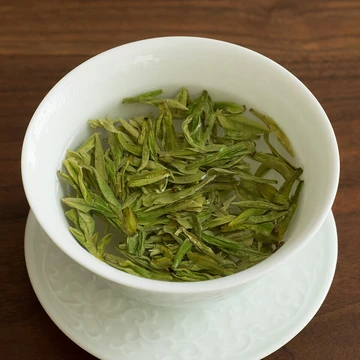
Rooibos is significant as a traditional South African beverage that gained international popularity after the early 2000s. The industry was transformed by Pieter le Fras Nortier, who developed a cultivated variety in the 1920s and 1930s after solving seed germination problems with scarification. Nortier's work enabled rooibos to become an iconic national beverage and a globalised commodity, with major consumers including the EU, particularly Germany. The plant's leaves are typically oxidized to produce the characteristic reddish-brown colour, though unoxidised green rooibos is also produced at higher cost. Rooibos contains no caffeine and has low tannin levels compared to black or green tea.
Did You Know?
- Rooibos is also called bush tea, red tea, or redbush tea, predominantly in Great Britain.
- The name rooibos is Afrikaans deriving from 'rooi bos', meaning 'red bush'.
- Rooibos seeds require scarification before planting in acidic, sandy soil.
- The high-grade rooibos is exported and does not reach local markets.
Frequently Asked Questions
What is Rooibos?
Rooibos is a caffeine-free herbal infusion brewed from the leaves of Aspalathus linearis, a broom-shaped plant in the Fabaceae family. Its Afrikaans name simply means 'red bush,' a nod to the rusty colour of the dried leaves.
Where does Rooibos grow?
It is native to the Fynbos biome of South Africa, particularly the Cederberg area in the Western Cape. Southern African communities have been steeping its leaves for generations, though it only reached wider global shelves around the early 2000s.
Does Rooibos have caffeine?
No — it contains zero caffeine, which is why it's a go-to evening drink or a swap for people sensitive to stimulants. Traditional black and green teas, by contrast, all carry some caffeine.
What does Rooibos taste like?
Fans describe an earthy, slightly sweet flavour with an aroma that reminds them of yerba mate or even tobacco. Polyphenols, benzoic acid, and cinnamic acid are the main compounds behind that signature profile.
Why is Rooibos considered special?
It carries a Protected Designation of Origin in the EU, so genuine rooibos must come from its home region in South Africa. It is also naturally rich in ascorbic acid and polyphenols while remaining completely caffeine-free.
More in Tea 1-15
Spotted an error? Know more?
This is a living reference — every entry is fact-audited, and reader corrections feed straight into our audit queue. Suggest an edit · See this site's audit record